
Crapo Recognized for Leadership in Fight Against Cancer
Washington, D.C.—U.S. Senator Mike Crapo (R-Idaho), Chairman of the U.S. Senate Finance Committee, is being recognized for his leadership in advancing policies to improve cancer research, screening and care.
The American Cancer Society Cancer Action Network (ACS CAN) presented Crapo with its National Distinguished Advocacy Award, the organization’s most prestigious honor, recognizing his work to advance policies that improve outcomes for cancer patients. In particular, ACS CAN highlighted Crapo’s leadership on the Nancy Gardner Sewell Medicare Multi-Cancer Early Detection (MCED) Screening Coverage Act. Signed into law in February 2026, the legislation ensures Medicare beneficiaries can access cutting-edge cancer screening tests, improving the likelihood of detecting cancer earlier, when treatment can be most effective.
“Breakthroughs in early cancer detection can drive more effective treatments and higher survival rates,” said Crapo. “I am proud to champion legislation that helps to ensure Idaho seniors and others across the country can receive lifesaving, preventive care.”
The American Association for Cancer Research (AACR) likewise highlighted Crapo’s efforts in their 2026 Cancer Progress Report, which recognized his work to advance policies aimed at improving cancer prevention, detection and treatment. Read the interview HERE or below.
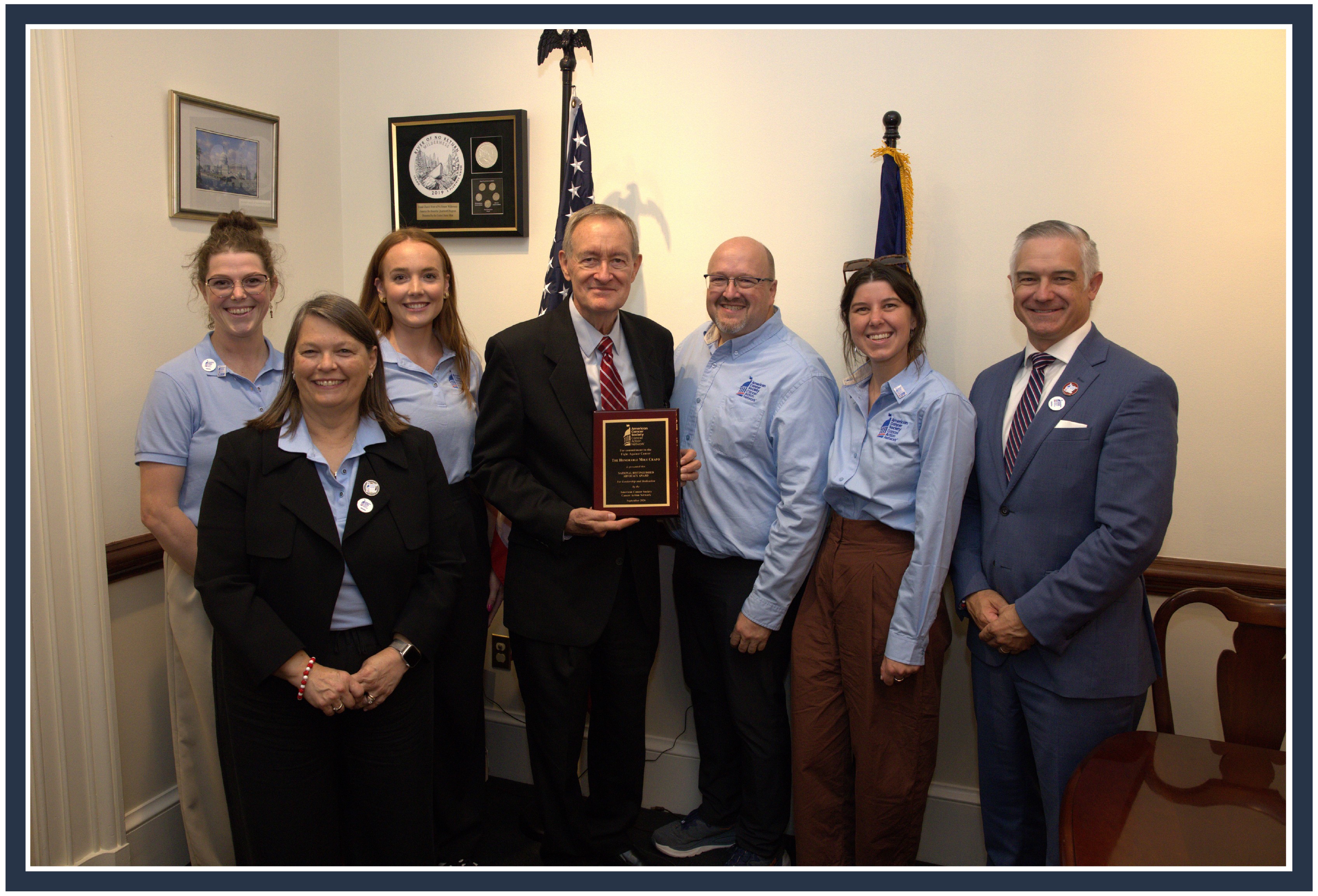
Senator Crapo meets with representatives of the American Cancer Society Cancer Action Network.
Q&A with U.S. Senate Finance Committee Chairman Mike Crapo
American Association for Cancer Research
How has your experience as a prostate cancer survivor informed your approach to health policy, and your conviction that federal investment in cancer research, screening and prevention saves lives?
Since coming to Capitol Hill, I have made combating cancer a top legislative priority. Losing a loved one to cancer, seeing others go through treatment and going through treatment make the search for leading-edge treatment acutely personal. Thanks in part to sustained federal investments in research and care, we have seen remarkable progress in the past few decades, with game-changing improvements in screening, prevention, diagnostics and treatments. As we continue that work, detecting more cancers at earlier stages will prove especially crucial.
This year, the Nancy Gardner Sewell Medicare Multi-Cancer Early Detection (MCED) Screening Coverage Act—legislation you championed for multiple Congresses—was signed into law, establishing a Medicare coverage pathway for multi-cancer early detection tests. What did reaching that milestone mean to you, and what impact do you hope it will have for patients, particularly seniors and those in rural states like Idaho?
Enactment of the MCED Screening Coverage Act is incredibly gratifying. Before, Medicare only covered preventive services explicitly authorized by Congress or recommended by the U.S. Preventive Services Task Force. This meant many routine cancer screenings were not reimbursed, even though early detection of cancer is crucial in maximizing patient outcomes. According to the Idaho Medical Association, before passage, approximately 70 percent of cancer deaths were caused by cancers for which there were no covered screening tests. The MCED Screening Coverage Act establishes a pathway for Medicare coverage of MCED screenings once they are approved by the U.S. Food and Drug Administration, rather than waiting for a lengthy additional legislative or regulatory approval process, making these important tests accessible to many more patients.
While enactment of the MCED Screening Coverage Act provides significant progress in multi-cancer screening, what else are you working on to improve cancer care?
I am co-leading bipartisan legislation with Senator Amy Klobuchar (D-MN) that would reauthorize the Breast Cancer Education and Awareness Requires Learning Young (EARLY) Act through 2031. The current authorization, which I helped secure in the fiscal year 2021 government funding package, is set to expire this year. In June, the Senate Health, Education, Labor and Pensions Committee advanced the legislation, which would ensure the Centers for Disease Control and Prevention continues campaigns to raise awareness of breast cancer risks among young women and encourage preventive care and early screening when appropriate. The law also supports research activities related to breast cancer prevention and educational efforts for physicians and other health care professionals involved in detecting and treating the disease. This legislation, like the MCED Screening Coverage Act, is part of my ongoing effort to align federal programs with preventive health goals aimed at reducing government expenditures on care and fostering a healthier nation.
MCED tests hold particular promise for identifying cancers that currently have no recommended screening test. Why is it so important to build coverage pathways for these emerging technologies, even as they continue to complement existing, guideline-recommended screening?
Cancer does not wait for regulatory processes and guidelines to catch up to it. Increasing access to proven screening tools will ensure many patients discover cancer when it is often most treatable. That holds tremendous promise for improving survival rates and driving down costs for patients, medical providers and Medicare itself.
What is your message to the scientists, physicians, and researchers working every day to make progress against cancer?
Thank you. Scientific advancements have dramatically improved the country’s capabilities to treat cancer, among many other health care concerns. The scientists, physicians and researchers who work patiently to test hypotheses and evaluate treatments, often starting over time and again in search of microscopic answers that carry enormous importance, are profoundly commendable. Your commitment, knowledge, curiosity and drive save lives and fuel our country’s progress in the fight against cancer.
Next Article Previous Article